A Central Arizona treatment plant was losing rotary drum screens to H2S corrosion, so in 2011 it brought in VAPEX to treat the problem at its source.
Replacing corroded equipment is expensive. Replacing it and watching the new equipment start to fail within a few months is worse. That is exactly where this plant found itself.
The culprit was hydrogen sulfide (H2S). It caused odor, and it was also eating through the plant’s screening equipment.
The Challenge: Over 1,000 ppm H2S Inside the Screens
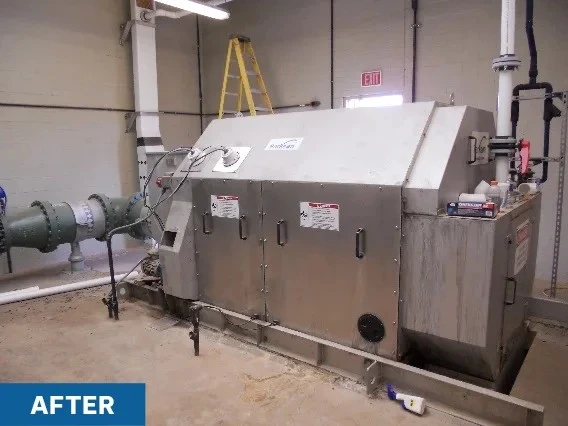
H2S inside the plant’s two rotary drum screens averaged over 500 ppm, with peaks above 1,000 ppm.
The gas came from off-gassing as wastewater tumbled through the screens. Agitation like this strips dissolved H2S out of the water and concentrates it in the enclosed screen space.
The plant had already replaced its corroding rotary screens once. Within a few months, the new screens began to corrode too. Swapping hardware was not going to fix a chemistry problem.
| Site detail | Value |
|---|---|
| Problem | Odor and corrosion |
| Application | Two rotary drum screens |
| Treatment volume | 500 ft³ |
| Average H2S | Over 500 ppm |
| Peak H2S | Over 1,000 ppm |
The Solution: A VAPEX PLC2500 SS with Four LV Nozzles
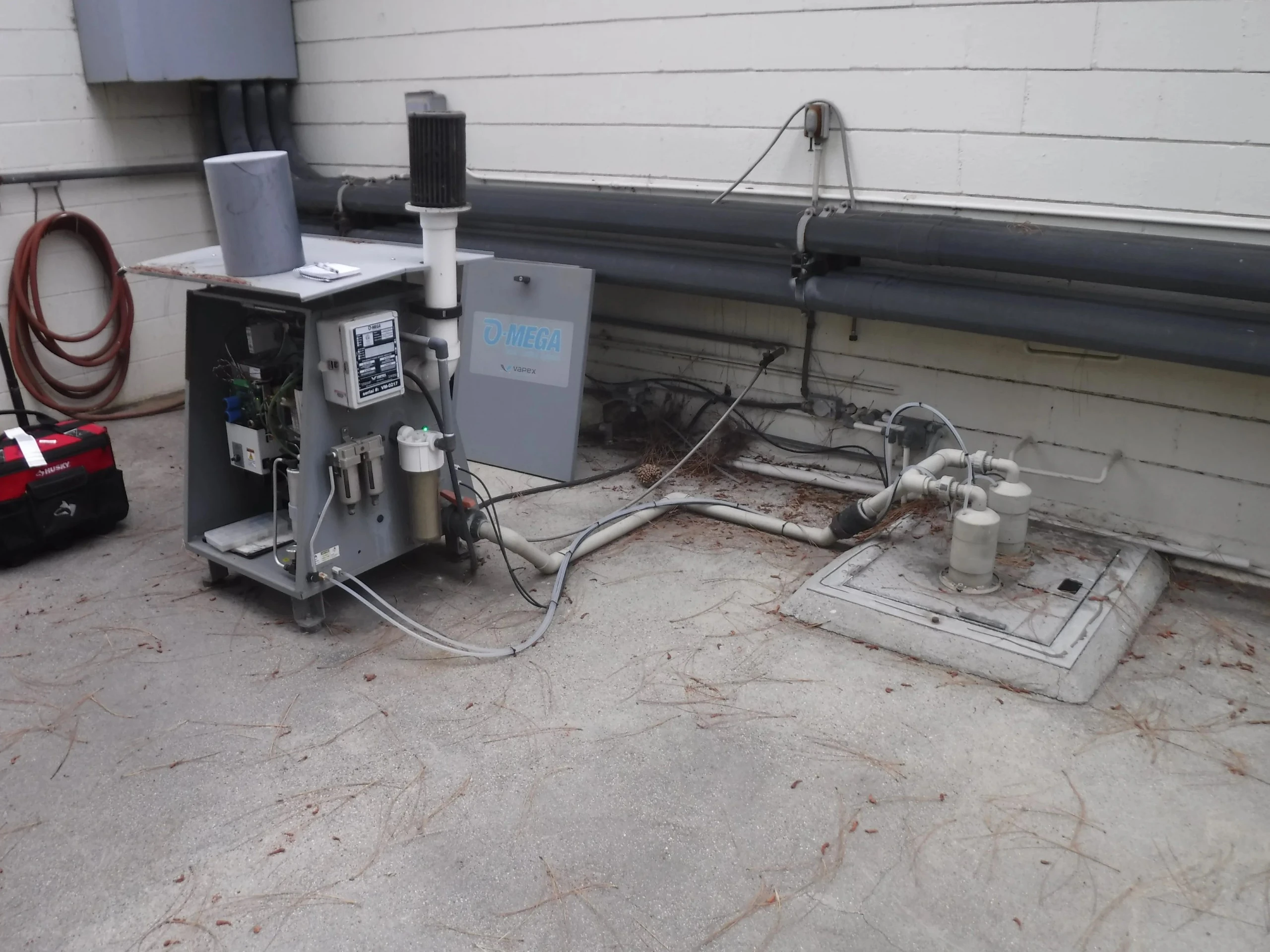
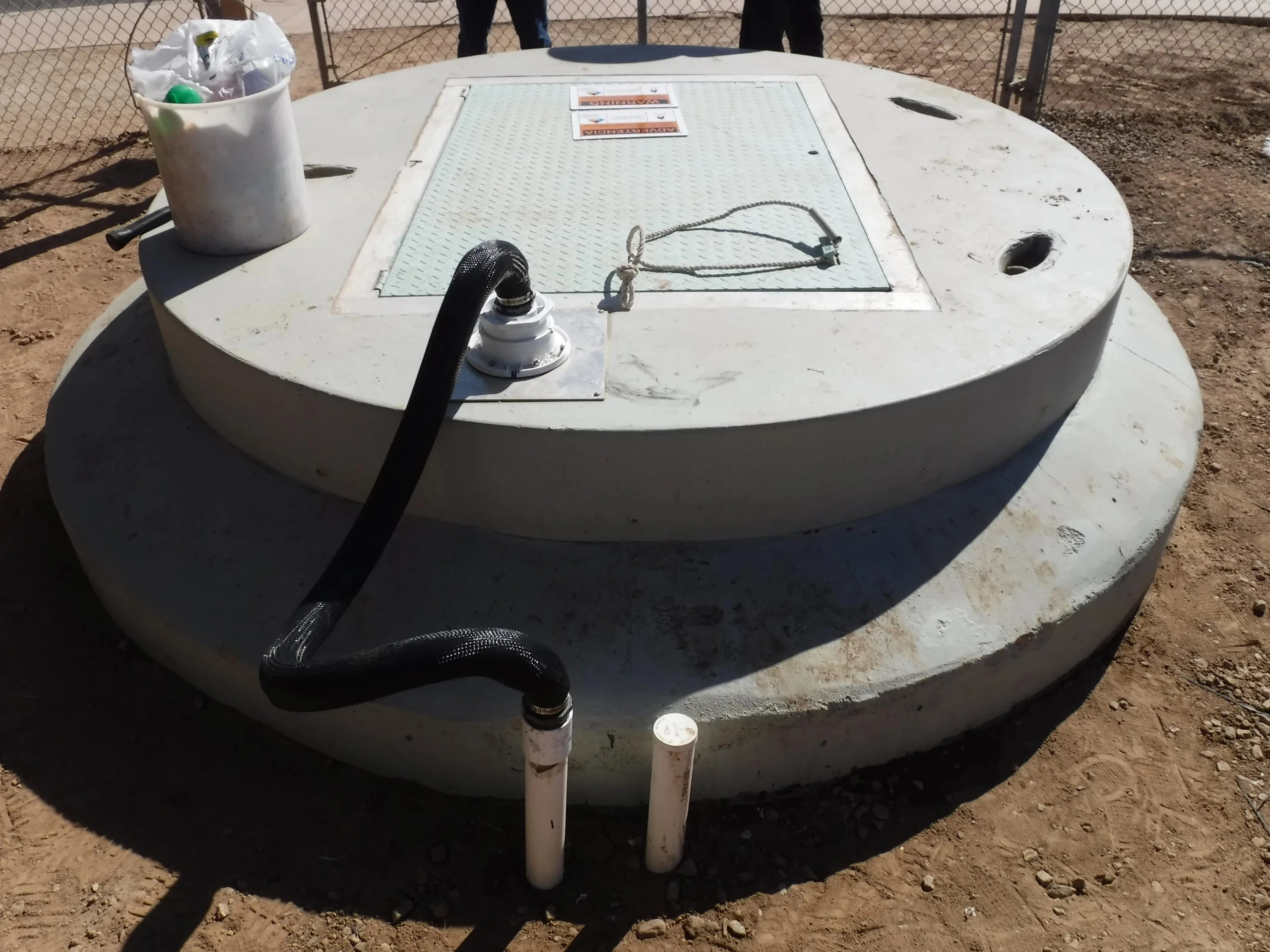
On September 10, 2011, VAPEX installed a PLC2500 SS system with four low-volume (LV) nozzles to treat the two rotary drum screens.
The system delivered VAPEX’s oxidizing treatment directly into the enclosed screen space, where H2S was off-gassing. Spreading four nozzles across the screens gave even coverage of the 500 ft3 treatment volume.
By oxidizing H2S where it formed, the system targeted both problems at once: the odor and the corrosive gas attacking the screens.
The PLC2500 SS was an earlier-generation VAPEX system. Today’s comparable lineup includes the Nano, Micro and Milli.
What This Means for Your Plant
Corrosion that returns after equipment replacement is a sign the root cause is still there. This project offers a few lessons:
- Fix the gas, not just the hardware. New screens corroded within months because the H2S was still present.
- Watch high-agitation points. Rotary screens, drops and turbulent channels strip H2S out of wastewater and concentrate it.
- Treat inside the enclosure. Delivering oxidant into the 500 ft³ screen space targeted the gas where it did the damage.
- Protect capital equipment. Controlling H2S addresses odor and corrosion together. Learn more about microbial-induced corrosion.
Replacing the Same Equipment Again?
If H2S keeps corroding your screens, channels or wet wells, VAPEX can help you stop treating the same problem over and over.
Talk to a VAPEX application specialist about your site conditions, or find your local rep with the Representative Locator. You can also call 407-977-7250 or email info@govapex.com.