What Is Microbial Induced Corrosion (MIC)?
Microbial Induced Corrosion (MIC) is a biological corrosion process that affects concrete and metal infrastructure throughout wastewater collection and treatment systems.
In wastewater environments, anaerobic bacteria produce hydrogen sulfide (H2S). When H2S enters the airspace above the wastewater, it can be oxidized by naturally occurring bacteria on moist surfaces into sulfuric acid. Over time, this acid attacks concrete and metal surfaces, leading to structural deterioration.
Without proper management, MIC can significantly shorten the lifespan of wastewater infrastructure and increase maintenance and rehabilitation costs.
Signs of Microbial Induced Corrosion
Strong hydrogen sulfide (H2S) odors
Surface deterioration of concrete structures
Corrosion of metal equipment and piping
Premature infrastructure repairs
How VAPEX Reduces MIC-Contributing Conditions
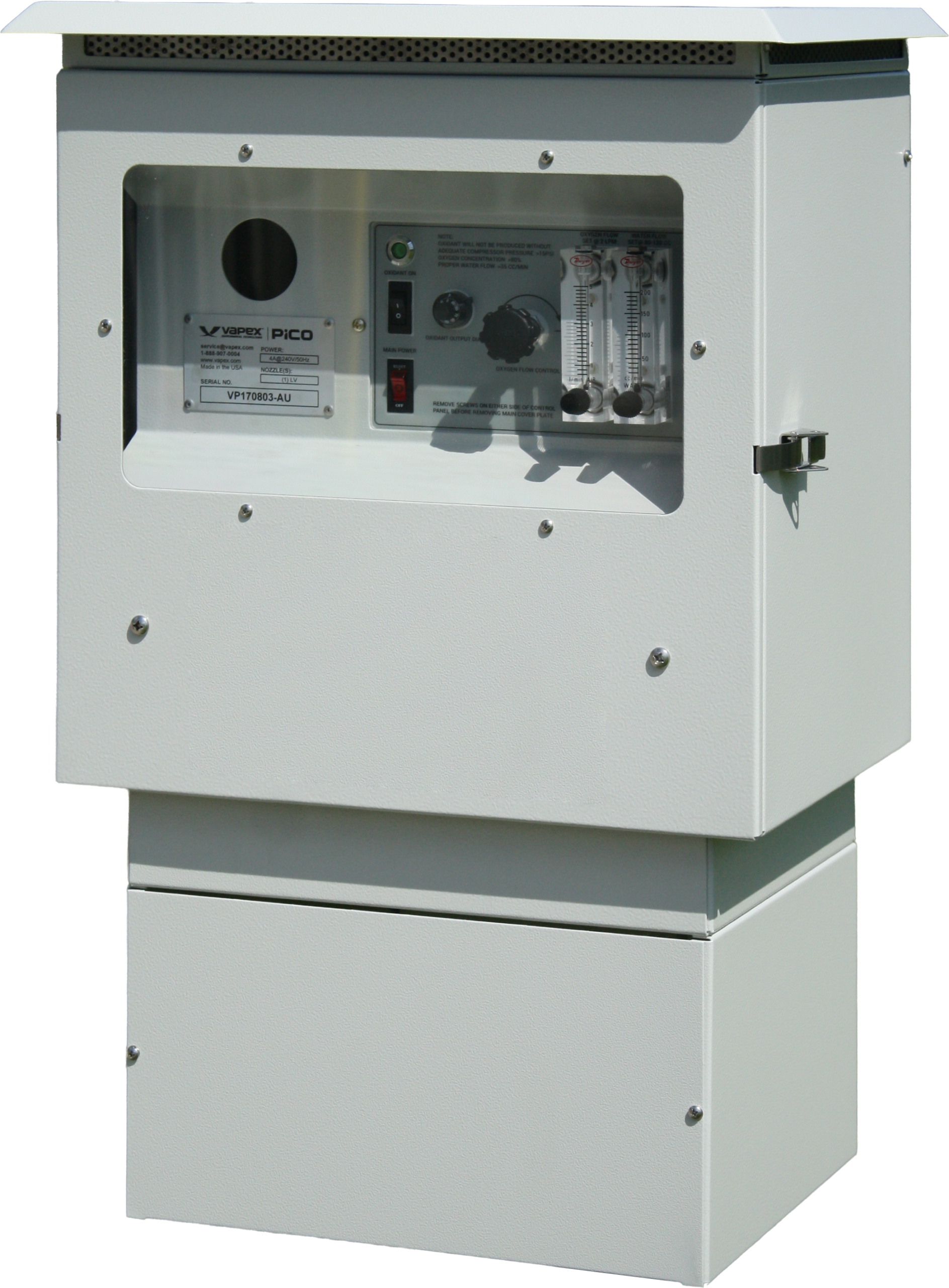
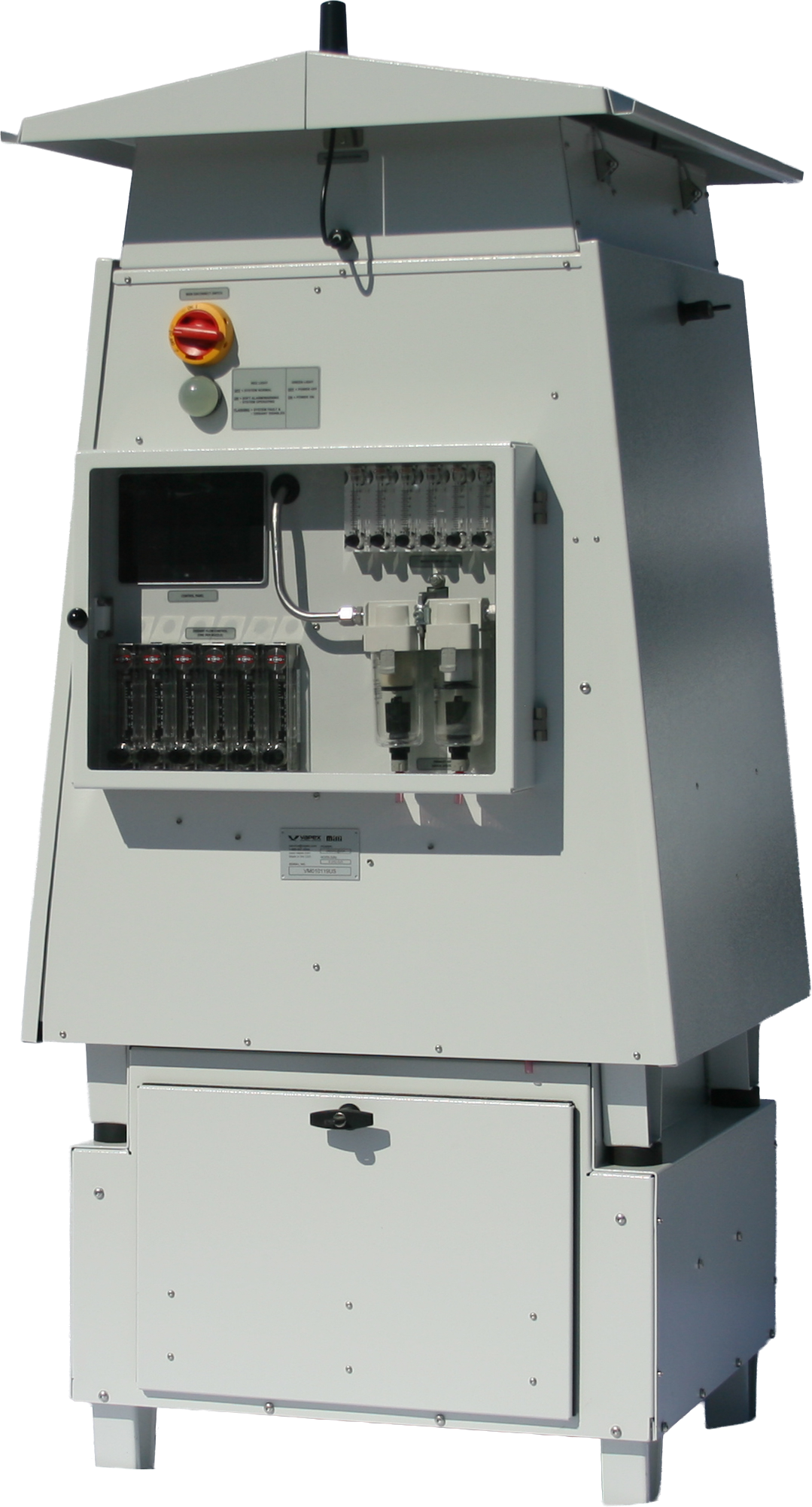
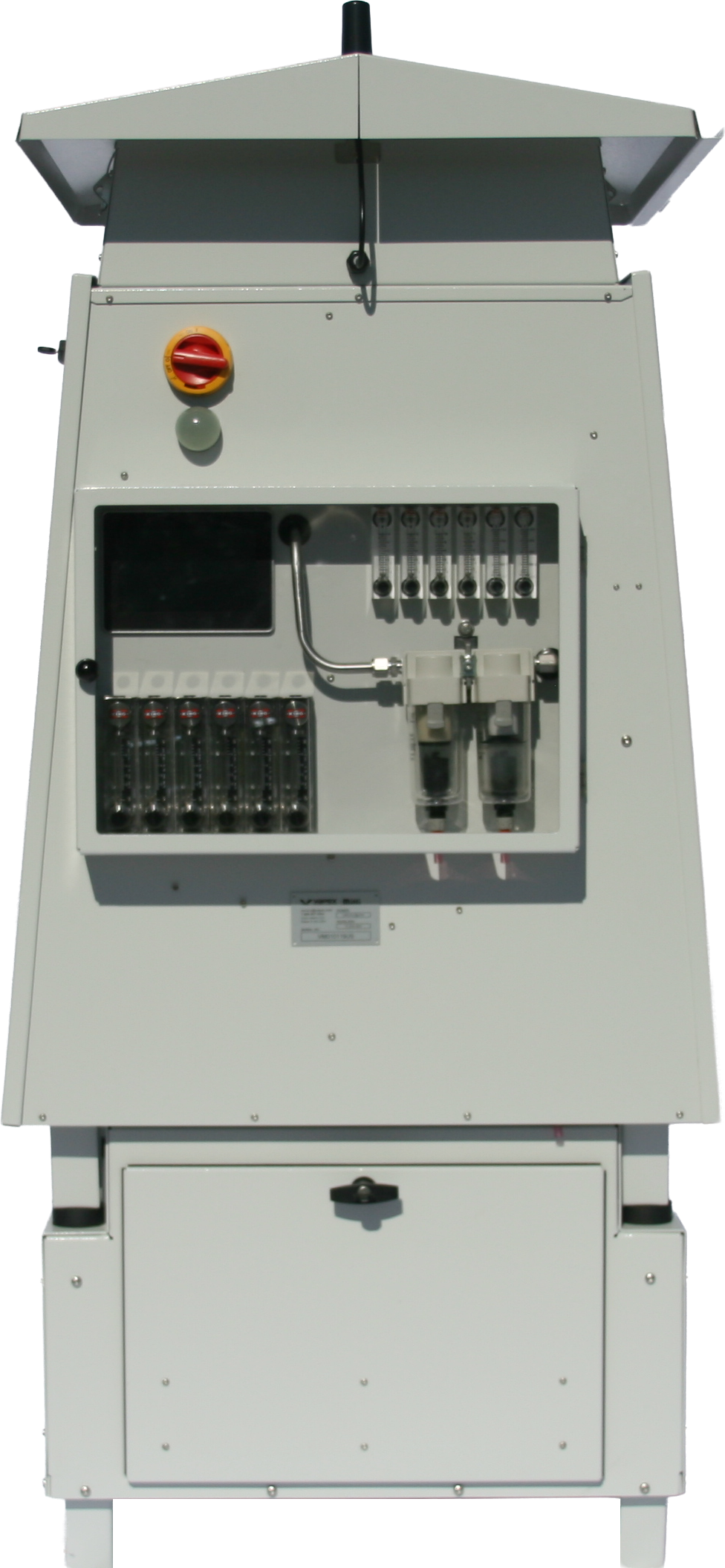
VAPEX systems use advanced hydroxyl radical technology to oxidize hydrogen sulfide and other sulfur-based compounds in the airspace before they contribute to odor problems and corrosive conditions. By reducing airborne H2S concentrations, VAPEX helps minimize one of the primary contributors to microbial induced corrosion.
Extend Infrastructure Life
Protect valuable wastewater assets and delay costly rehabilitation projects.
Reduce Maintenance Costs
Lower the frequency of repairs caused by corrosion-related deterioration.
Improve System Reliability
Maintain reliable operation of wastewater collection and treatment infrastructure.
Support Asset Management
Integrate odor control and corrosion mitigation into long-term infrastructure planning.
Systems Designed for Mitigating MIC
Microbial induced corrosion can significantly impact the long-term reliability and cost of wastewater infrastructure. VAPEX helps municipalities and industrial facilities reduce hydrogen sulfide and improve air quality as part of a comprehensive corrosion management strategy.