The Challenge of Wastewater Odors
Wastewater odors are more than just a nuisance. They often indicate the presence of gases such as hydrogen sulfide (H2S), mercaptans, ammonia, and volatile organic compounds (VOCs), which can create operational, environmental, and infrastructure challenges.
Odors commonly develop in areas where wastewater becomes stagnant or oxygen levels are low, allowing anaerobic bacteria to produce sulfur-based compounds.
Hydrogen sulfide (H2S)
Mercaptans and reduced sulfur compounds
Variable loading and intermittent peaks
Odor at other municipal wastewater systems
How VAPEX Controls Wastewater Odors
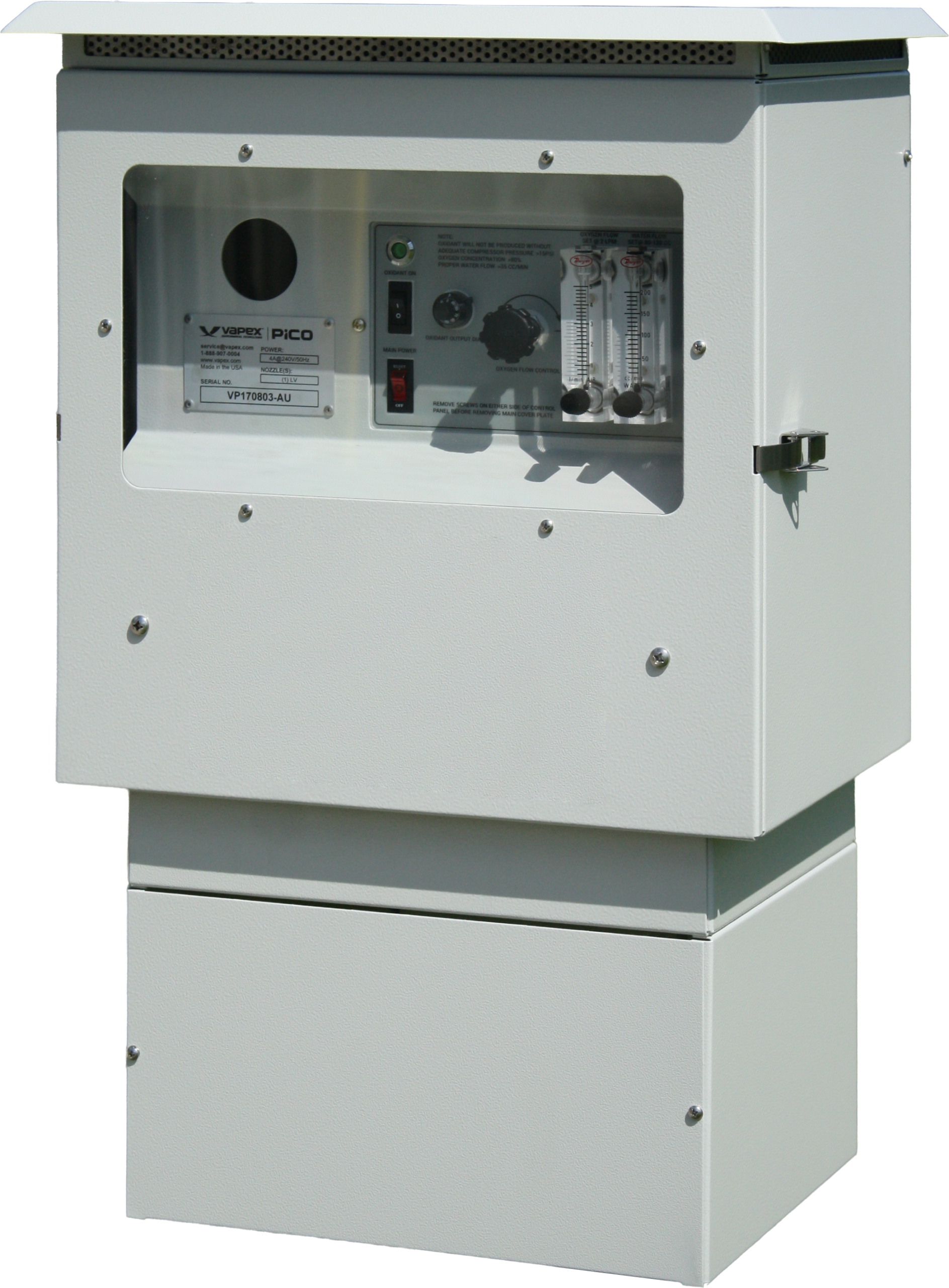
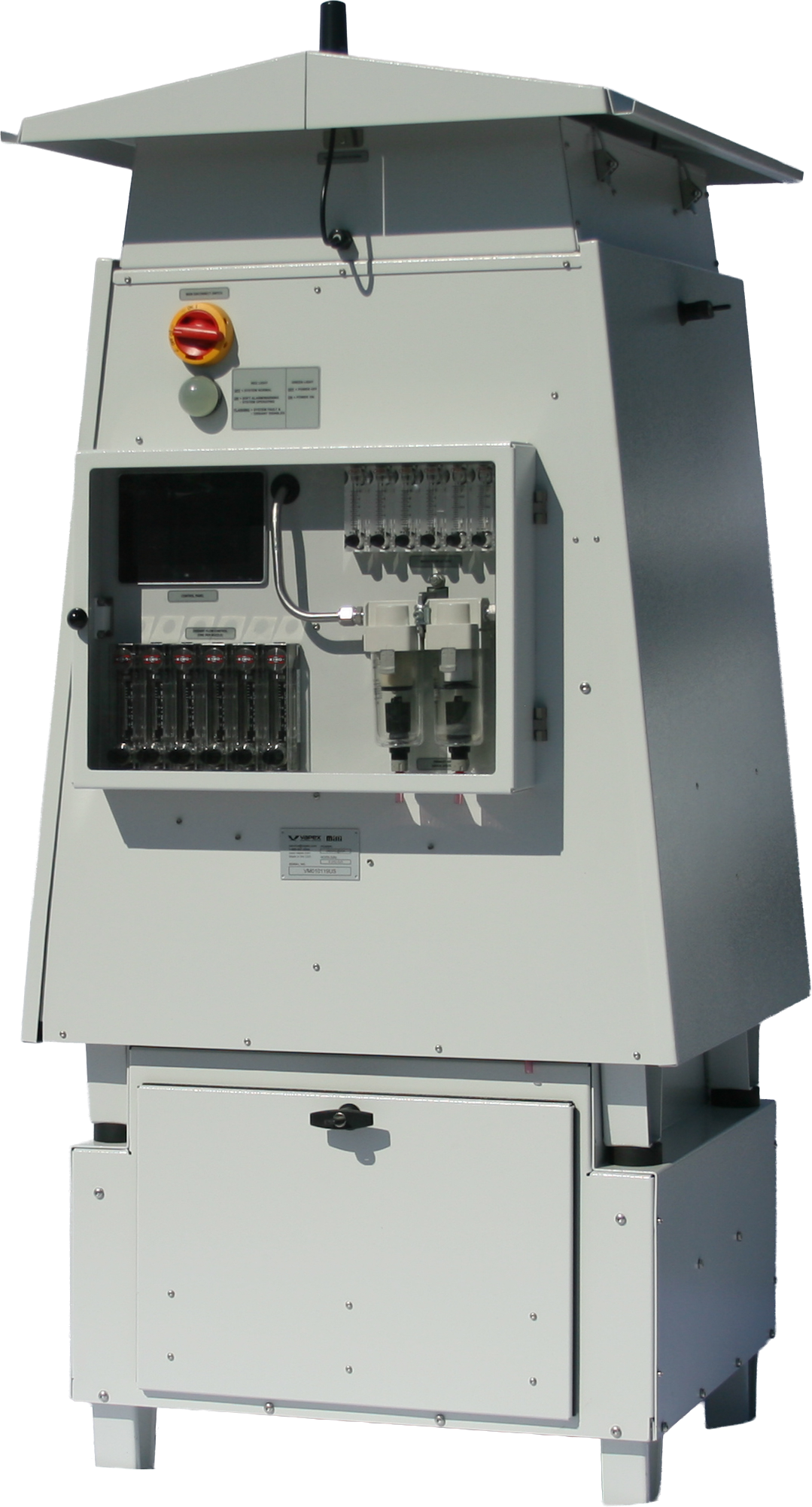
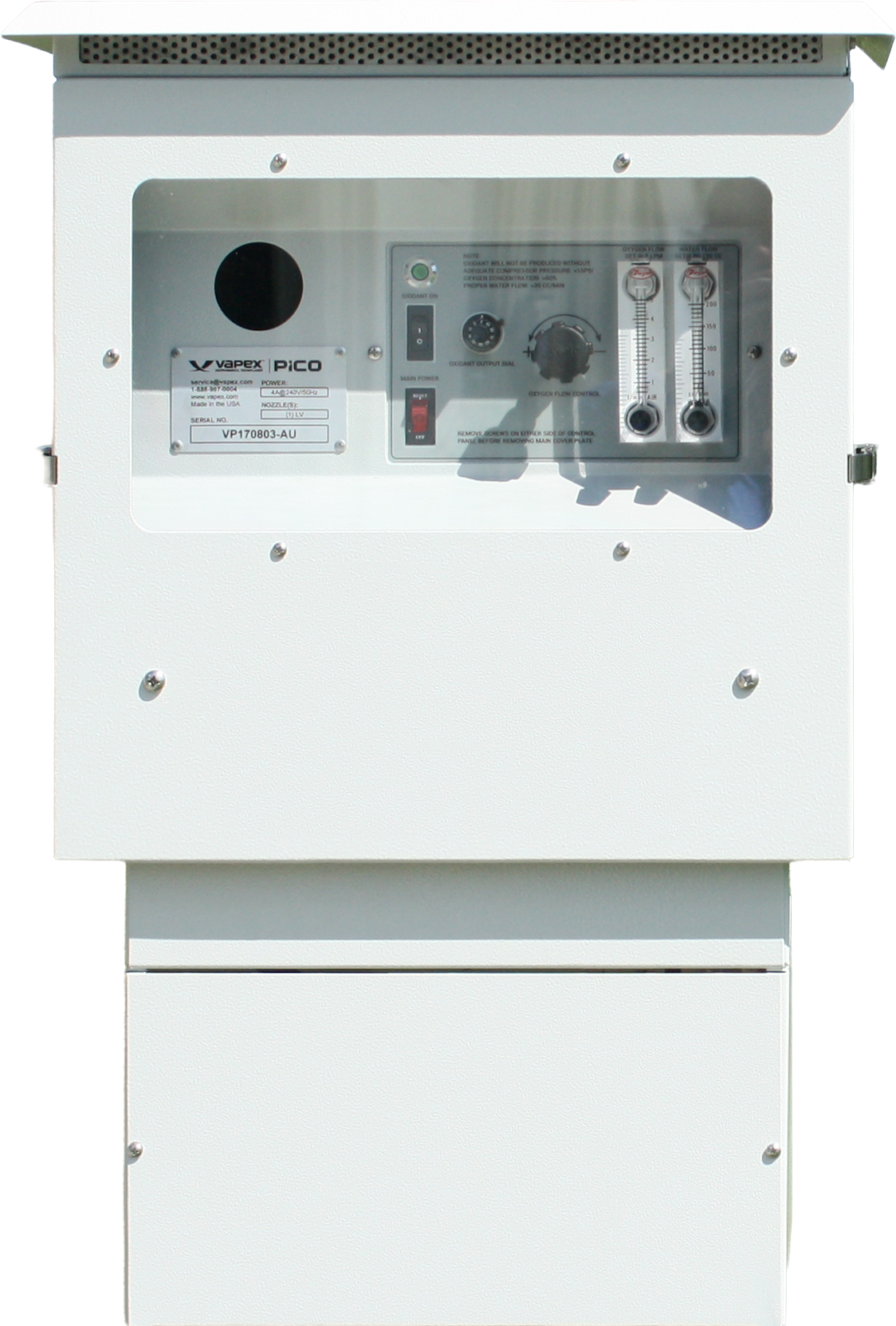
VAPEX systems use advanced hydroxyl radical technology to oxidize airborne odor-causing compounds before they spread throughout the facility or surrounding community. Unlike technologies that simply mask odors, VAPEX neutralizes odor-causing compounds through oxidation, helping create cleaner air and reducing conditions that contribute to infrastructure deterioration.
Reduce Hydrogen Sulfide (H2S)
Lower H2S concentrations to improve air quality and reduce odor complaints.
Improve Air Quality
Create a safer environment for operators, maintenance personnel, and nearby communities.
Protect Wastewater Infrastructure
Reducing hydrogen sulfide helps extend the service life of concrete, metal, and equipment.
Chemical-Free Operation
Achieve effective odor control without continuous chemical dosing, storage, or handling.