A single Vapex MICRO unit took a Southwest Arizona wet well from roughly 500 ppm of hydrogen sulfide at its peak to almost zero.
Anyone who runs a collection system knows the smell. Hydrogen sulfide (H2S) gives off the rotten-egg odor that brings complaint calls from neighbors. It also corrodes concrete and metal, and at high levels it is a serious hazard for the crews who work around it.
Lift stations and wet wells are where the problem often peaks. Wastewater sits, oxygen runs out, and H2S builds up. This is the story of how one utility in Southwest Arizona tackled exactly that.
The Challenge: A Force Main Running Hot with H2S
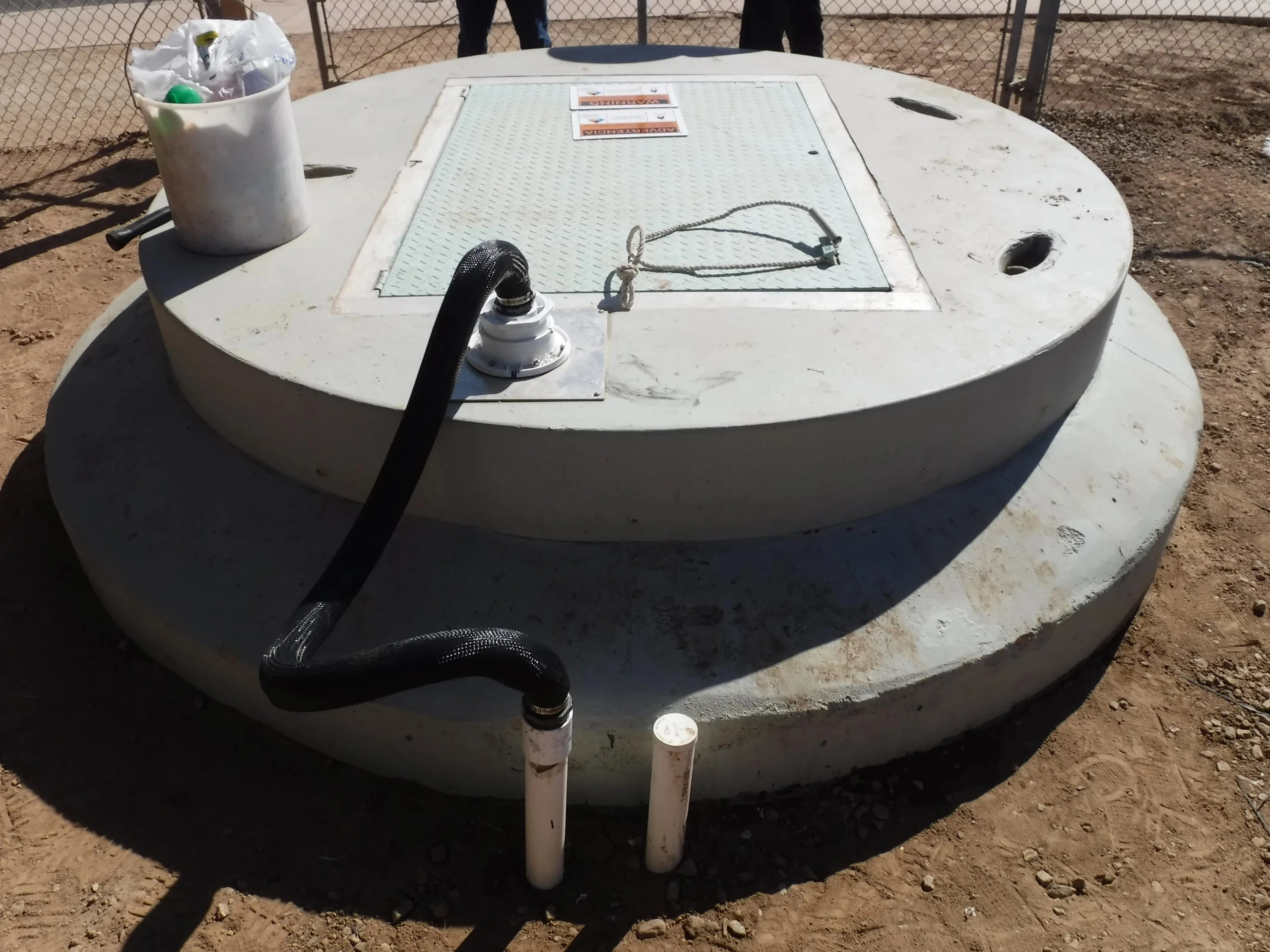
The site was a pump station wet well fed by a force main. That force main was producing approximately 500 ppm of H2S on the high end.
Force mains are a classic H2S source. Wastewater travels long distances under pressure with no air, so sulfate-reducing bacteria thrive. When that septic flow discharges into a wet well, the gas releases and the odor escapes into the neighborhood.
At 500 ppm, this was not a minor nuisance. The utility needed a solution that could handle heavy, variable loads without adding chemical handling or large infrastructure.
The Solution: A Vapex MICRO with One HV Nozzle
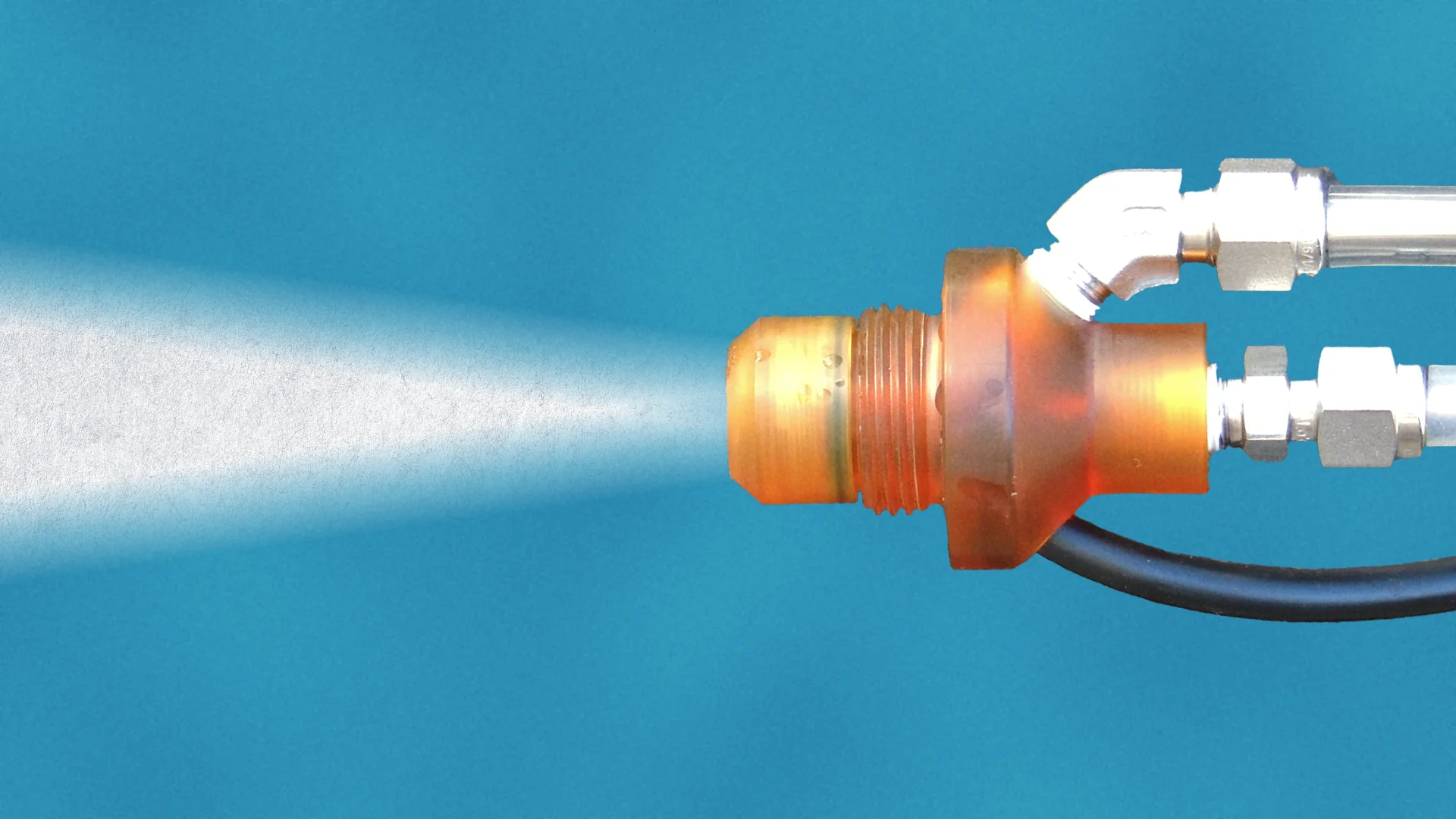
On August 6, 2019, the utility installed a Vapex MICRO hydroxyl radical generator fitted with a single high-volume (HV) nozzle.
The MICRO is built for enclosed wastewater spaces like lift stations, wet wells and headworks. It produces hydroxyl radicals that oxidize H2S, mercaptans, amines and other odor compounds right where they form. There are no chemicals to store, dose or haul.
Key MICRO specifications:
| Spec | Value |
|---|---|
| Maximum oxidant output | 50 g/hr |
| Maximum nozzles | 4 |
| Maximum treatment volume | 26,000 ft³ (application dependent) |
| Max distance, nozzle to unit | 300 ft |
| HV nozzle air output | 30–40 CFM |
| HV nozzle water use | 8 gal/hr |
| Power | 208–240 VAC, 30 A, single phase |
One HV nozzle was enough for this wet well. That kept the install simple and the footprint small, with room to add nozzles later if loads grew.
The Results: H2S Reduced to Almost Zero
After the MICRO went in, H2S at the site dropped from about 500 ppm at its peak to almost zero.
| Before Vapex | After Vapex | |
|---|---|---|
| H2S (high end) | ~500 ppm | Near zero |
| Treatment | None | MICRO + 1 HV nozzle |
| Chemicals on site | — | None |
For the utility, that means fewer odor complaints, less corrosion on wet well concrete and equipment, and a safer space for operators.
What This Means for Your Utility
High H2S does not always call for a big, chemical-heavy system. This project shows a few lessons that apply to many collection systems:
- Treat at the source. Wet wells at the end of force mains are odor hotspots. Hydroxyl radicals oxidize H2S right where it releases.
- Right-size the equipment. One MICRO with a single HV nozzle handled peaks near 500 ppm here.
- Skip the chemicals. No storage tanks, deliveries or dosing pumps to manage.
- Plan for growth. The MICRO supports up to four nozzles, so capacity can scale with the station.
Fighting H2S at Your Lift Station?
If your wet wells or lift stations are generating odor complaints, Vapex can help you find the right-sized solution.
For this project, the local manufacturer’s representative was John Deogracias of Goble Sampson — (480) 220-2327, jdeogracias@goblesampson.com. Outside Arizona, use the Vapex Representative Finder or the Municipal Contact Form to get started.